Table of Contents



Alcohol & Intimate Health: What Your Vagina and Bladder Want You To Know (Before Happy Hour)
Written by Elizabeth Lee Feb 27, 2026

Let's be clear: no one is here to take away your wine night, vacation cocktails, or celebratory champagne. But if you've ever noticed BV symptoms, a yeast infection, UTI irritation, or even a herpes outbreak after a few drinks and thought "Is this a coincidence?" — we have news for you.
Alcohol doesn't cause infections on its own, but it creates the perfect environment for them to show up. Think dehydration, irritation, immune slowdown, and disrupted balance—basically chaos, but make it internal.
Let's break it down.
How alcohol messes with urinary health
1. Alcohol dehydrates you and your bladder feels it
Alcohol suppresses antidiuretic hormone (ADH), which means you pee more and lose more fluid. Less fluid = more concentrated urine, which can irritate the bladder lining and worsen burning or urgency—classic UTI-adjacent discomfort.
2. Alcohol is a known bladder irritant
The NHS explicitly lists alcohol as a bladder irritant and recommends avoiding it when dealing with cystitis or UTI symptoms.
Translation: even if bacteria aren't the issue, alcohol alone can make your bladder feel spicy.
3. Alcohol + sex = higher UTI risk
Not a moral judgment—just math. Alcohol can lead to:
- Less hydration
- Holding urine longer
- Sex without proper prep or aftercare
All of those can increase UTI risk.
Smart prevention move: staying hydrated and supporting urinary health before and after drinking can help reduce risk.
How alcohol affects vaginal health
1. Alcohol can disrupt your vaginal microbiome (BV risk)
Your vagina thrives on balance—specifically healthy Lactobacillus bacteria. Studies have found associations between at-risk alcohol use and increased BV prevalence, possibly due to immune and microbiome disruption.
BV thrives when balance is off. Alcohol doesn't help balance.
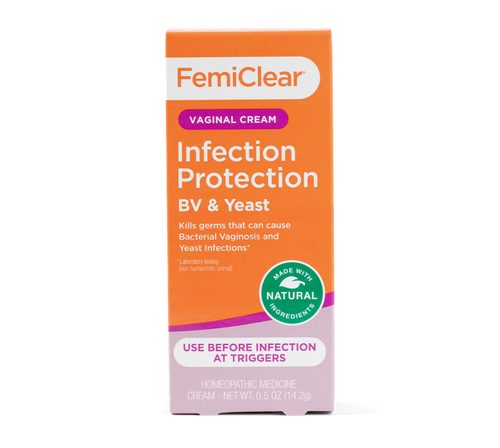
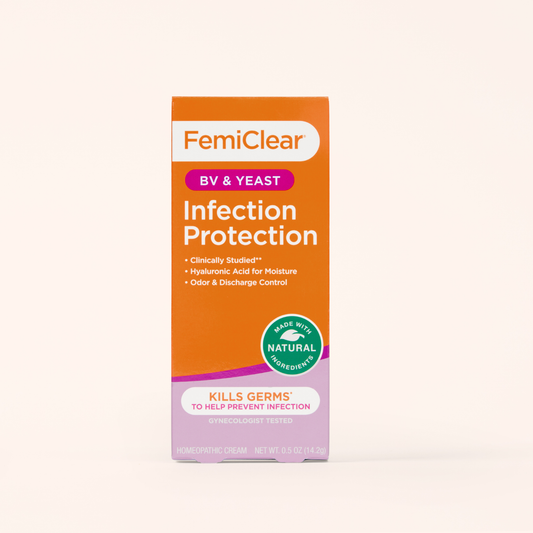
Proactive support: products like FemiClear Infection Protection BV/Yeast Cream can be used preventatively to help support vaginal balance when routines are disrupted.
2. Alcohol & herpes: what's the connection?
Alcohol doesn't cause herpes—but it can trigger outbreaks.
Why?
- Alcohol suppresses immune function, sometimes for up to 24 hours
- Dehydration and inflammation stress the body
- Immune stress is a known herpes outbreak trigger
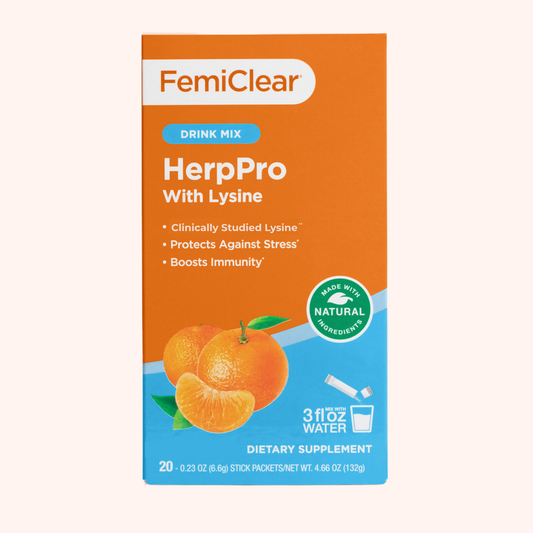
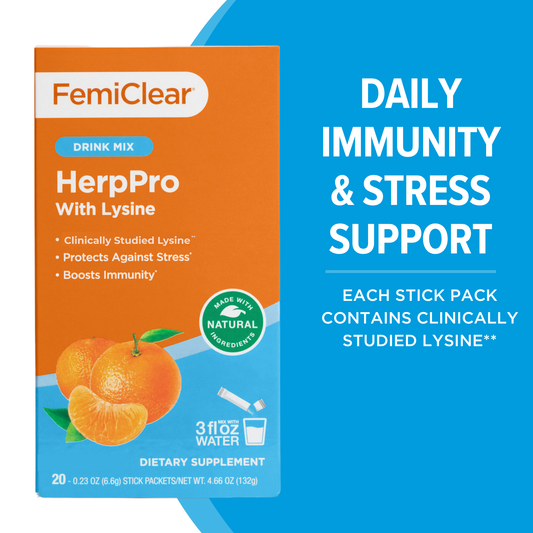
For people managing herpes, supporting immune health before and after drinking can help reduce outbreak frequency.
3. Sugar + dehydration = yeast's favorite combo
Sugary drinks (looking at you, frozen cocktails) don't directly cause yeast infections, but high sugar intake + immune suppression can create conditions where yeast is more likely to overgrow—especially if you're already prone.
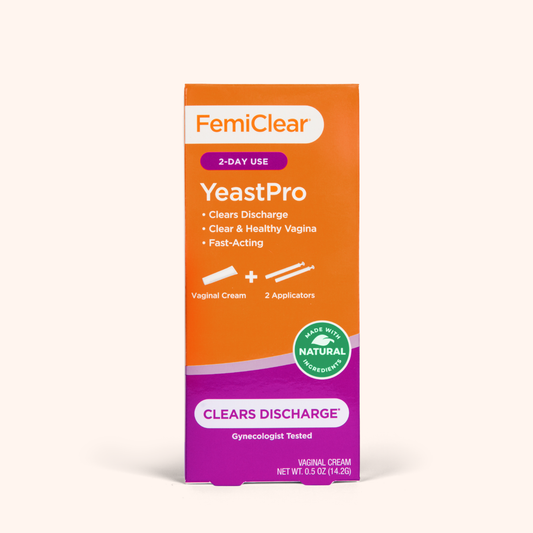
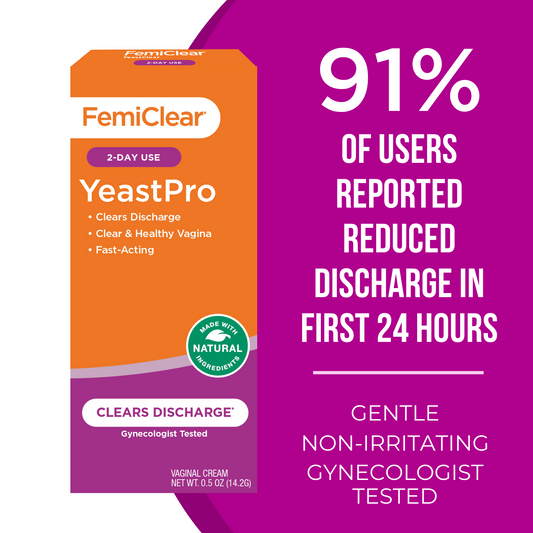
Be prepared: keeping FemiClear Yeast Infection on hand means you're not scrambling for relief mid-trip or mid-weekend.
Before drinking: protect your vaginal & urinary health
Hydrate like it's your job
- Drink water before your first drink
- Alternate drinks with water
- Add electrolytes if you're sweating, dancing, or traveling
Hydration helps dilute urine, reduce irritation, and support immune function.
Prep if sex might happen
- Use condoms when possible
- Use lube (alcohol = dryness = irritation)
- Avoid scented wipes or "refreshing" products (your vagina does not want a cocktail)
- Remember to pee after sex!
After drinking: damage control (no shame, just strategy)
For UTIs & bladder irritation
- Hydrate before bed and the next morning
- Pee when you need to—don't hold it
- Avoid more bladder irritants (coffee + alcohol = rude)
For yeast & herpes-prone folks
- Change out of tight or damp clothes ASAP
- Prioritize sleep (immune recovery matters)
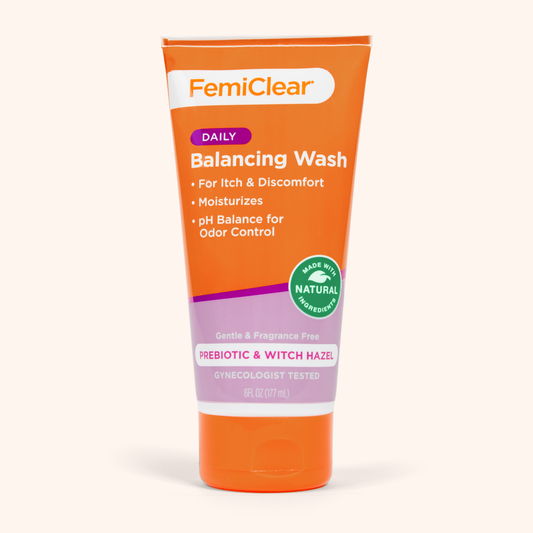
- Keep external cleansing gentle and simple
Immune stress is a known trigger for yeast infections and herpes outbreaks, so aftercare counts.
When to see a healthcare provider
Seek medical care if you experience:
- Recurrent BV or yeast infections
- Frequent UTIs
- Severe pelvic pain, fever, or back pain
- Ongoing or worsening herpes outbreaks
You deserve relief—not to "power through."
The bottom line
You don't need to quit alcohol forever.
But if you're prone to BV, yeast infections, herpes outbreaks, or UTIs, alcohol can absolutely be a trigger—through dehydration, irritation, immune suppression, and microbiome disruption.
So yes—enjoy the drink. Just don't skip the water, the prep, or the aftercare.
Your vagina and bladder will thank you.
Sources:
Written by Elizabeth Lee Feb 27, 2026

BV & Yeast Infection Protection Cream
Helps prevent BV & Yeast Infections*
Learn More